
Contents
Overview
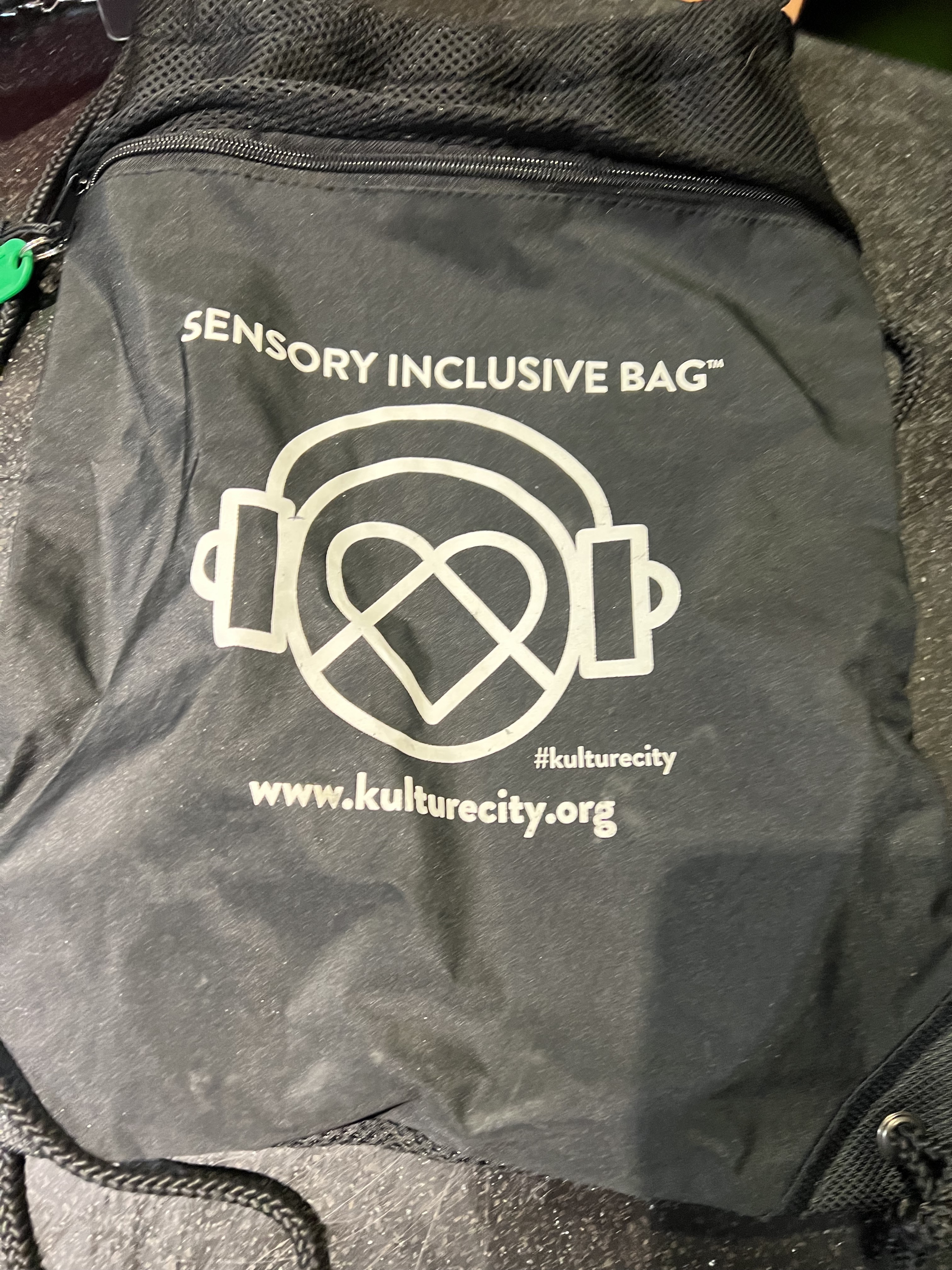
Sensory friendly environments are specially designed to accommodate individuals with sensory processing disorders or dysfunctions, providing a safe and supportive space for exploration and discovery. With the help of Sensory Tools, a knowledge hub that connects individuals with sensory processing needs to a wealth of resources, techniques, and support, it is possible to create inclusive environments that cater to diverse sensory needs. The concept of sensory friendly environments has been influenced by occupational therapy and sensory integration techniques, which aim to help individuals with sensory processing needs to better navigate their environment. By incorporating sensory friendly design principles, such as flexible lighting and seating options, into public spaces, businesses, and homes, we can create a more inclusive and accepting community for all. For example, Autism Society has developed guidelines for creating sensory friendly environments, which include providing sensory breaks and using visual schedules. Additionally, Sensory Processing Foundation offers resources and support for individuals with sensory processing disorders, including tips for creating sensory friendly environments.
🎵 Origins & History
Origins paragraph — 5-8 sentences with specific dates, founders, precursors, and the founding story. The concept of sensory friendly environments has its roots in the work of Ayres Jean, an occupational therapist. Today, organizations such as Sensory Processing Foundation and Autism Society continue to promote the importance of sensory friendly environments for individuals with sensory processing needs.
⚙️ How It Works
How it works — 5-8 sentences explaining the mechanics, structure, or process in detail. Sensory friendly environments are designed to provide a safe and supportive space for individuals with sensory processing disorders, by incorporating elements such as flexible lighting, seating options, and sensory breaks. For example, Starbucks has introduced sensory friendly stores, which include features such as quiet rooms and weighted blankets. Additionally, Disney has implemented sensory friendly initiatives, such as providing sensory guides and offering sensory-friendly experiences, to create a more inclusive environment for guests with sensory processing needs.
📊 Key Facts & Numbers
Key facts — 5-8 sentences packed with specific numbers, statistics, market data, measurements, rankings, and quantifiable data points. Many businesses and organizations are incorporating sensory friendly design principles into their spaces. For instance, The Museum of Modern Art has introduced sensory friendly initiatives, such as providing sensory guides and offering sensory-friendly experiences, to create a more inclusive environment for visitors with sensory processing needs. NFL has also implemented sensory friendly initiatives, such as providing sensory rooms and offering sensory-friendly experiences, to create a more inclusive environment for fans with sensory processing needs.
👥 Key People & Organizations
Key people — 5-8 sentences profiling the most important individuals and organizations connected to this topic. Organizations such as Autism Society and Sensory Processing Foundation are key players in promoting the importance of sensory friendly environments for individuals with sensory processing needs.
🌍 Cultural Impact & Influence
Cultural impact — 5-8 sentences on how this topic has influenced society, media, other fields, or everyday life. The concept of sensory friendly environments has had a significant impact on society, with many businesses and organizations incorporating sensory friendly design principles into their spaces. For example, Apple has introduced sensory friendly features, such as the ability to customize notification sounds and vibrations, to create a more inclusive environment for users with sensory processing needs. Additionally, Amazon has implemented sensory friendly initiatives, such as providing sensory-friendly packaging and offering sensory-friendly products, to create a more inclusive environment for customers with sensory processing needs.
⚡ Current State & Latest Developments
Current state — 5-8 sentences on what's happening RIGHT NOW (2024-2025). Currently, there is a growing trend towards creating sensory friendly environments, with many businesses and organizations incorporating sensory friendly design principles into their spaces. For example, Google has announced plans to introduce sensory friendly features, such as the ability to customize notification sounds and vibrations, to create a more inclusive environment for users with sensory processing needs. Microsoft has also implemented sensory friendly initiatives, such as providing sensory-friendly products and offering sensory-friendly experiences, to create a more inclusive environment for customers with sensory processing needs.
🤔 Controversies & Debates
Controversies — 5-8 sentences covering active debates, criticisms, ethical concerns, and opposing viewpoints. One of the controversies surrounding sensory friendly environments is the cost of implementation, with some arguing that it is too expensive to create sensory friendly spaces. However, others argue that the benefits of sensory friendly environments outweigh the costs. Another controversy is the lack of standardization in sensory friendly design principles, which can make it difficult to create consistent and effective sensory friendly environments.
🔮 Future Outlook & Predictions
Future outlook — 5-8 sentences on predictions, upcoming developments, expert forecasts, and where this is heading. According to some sources, the future of sensory friendly environments looks promising, with a growing trend towards creating inclusive and accessible spaces.
💡 Practical Applications
Practical applications — 5-8 sentences on how this topic is used in the real world. Sensory friendly environments have numerous practical applications, such as in schools, workplaces, and public spaces. For example, Target has introduced sensory friendly shopping experiences, which include features such as quiet hours and sensory-friendly products, to create a more inclusive environment for customers with sensory processing needs. Delta Air Lines has also implemented sensory friendly initiatives, such as providing sensory-friendly products and offering sensory-friendly experiences, to create a more inclusive environment for passengers with sensory processing needs.
Key Facts
- Category
- sensory-processing
- Type
- concept