
Summary
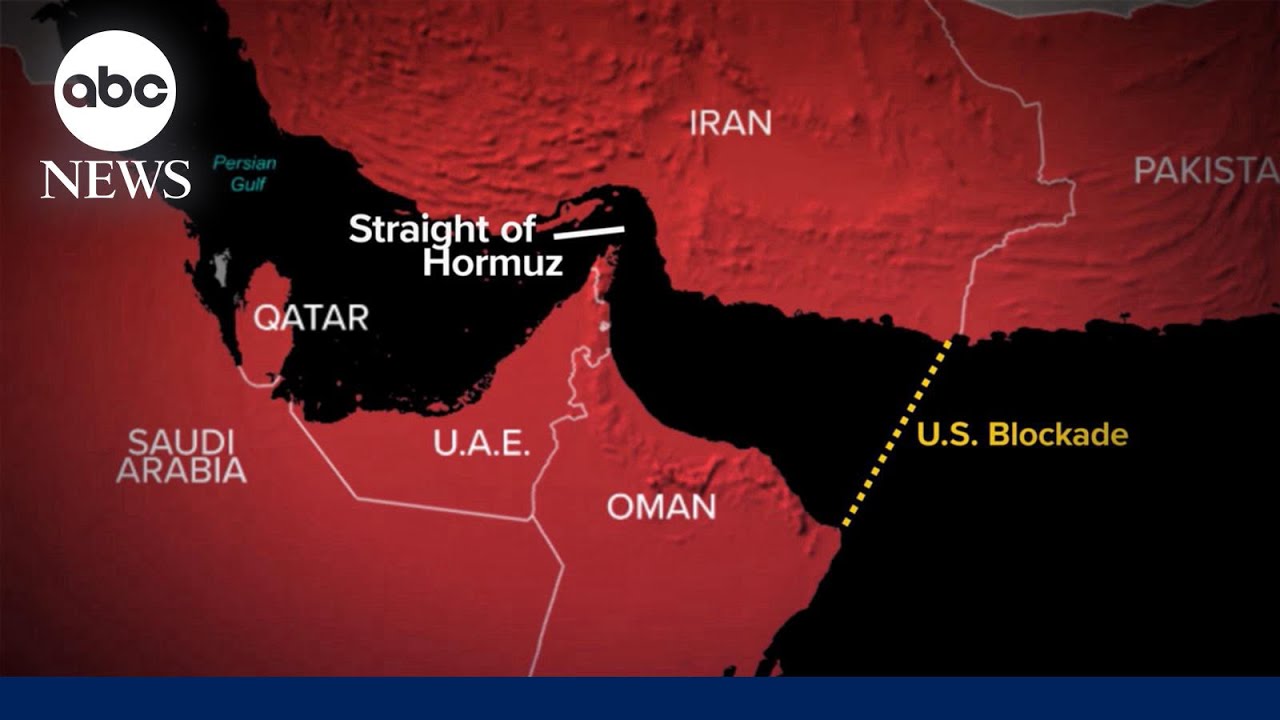
President **Donald Trump** has informed Congress that he does not require their authorization for ongoing military operations in **Iran**, asserting that the **War Powers Act** is "unconstitutional." Trump's letters to Congress, dated May 1, 2026, claim that hostilities, which began on February 28, 2026, have ceased due to a ceasefire initiated on April 7, 2026, and extended since. Despite this, he maintains that the threat from Iran persists and that he will continue to direct military actions under his constitutional authority as Commander in Chief. This move directly challenges the 1973 War Powers Resolution, which mandates congressional authorization after 60 days of military engagement, a threshold the U.S. military action in Iran reportedly crossed this week. The administration's notification to Congress on March 2, 2026, is cited as the start of this 60-day clock. The ongoing conflict has seen the U.S. employing significant military assets, including carrier strike groups and aircraft, while Iran has continued to block traffic in the [[Strait of Hormuz|Strait of Hormuz]].
Key Takeaways
- President Trump has declared the War Powers Act unconstitutional regarding military operations in Iran.
- He cites a ceasefire initiated on April 7, 2026, as justification for bypassing congressional authorization.
- The U.S. military action in Iran began on February 28, 2026, with Congress notified on March 2, 2026.
- This stance directly challenges the 60-day limit stipulated by the 1973 War Powers Resolution.
- The move reignites the long-standing debate over presidential versus congressional war powers.
Balanced Perspective
President **Trump**'s declaration represents a direct confrontation with the established framework of the [[War Powers Act|War Powers Act]] of 1973. The administration's interpretation hinges on the claim that the ceasefire effectively terminates the 'hostilities' requiring congressional oversight, a point that is legally contentious. The 60-day clock, initiated on March 2, 2026, when Congress was notified, has indeed passed, placing the president's actions in direct opposition to the resolution's intent to limit presidential war-making powers without legislative consent. The effectiveness and legality of this unilateral assertion of authority remain subjects of intense debate.
Optimistic View
This move signals a decisive executive leadership, capable of acting swiftly to protect U.S. interests without being bogged down by legislative processes. By asserting his constitutional authority, **Trump** is demonstrating a commitment to national security and a willingness to confront threats directly, potentially leading to a more effective and agile foreign policy. The focus on a ceasefire, even while maintaining military readiness, suggests a strategic approach to de-escalation while preserving deterrence against further Iranian aggression.
Critical View
By unilaterally declaring congressional authorization unnecessary, **Trump** is undermining the system of checks and balances designed to prevent unchecked executive power in matters of war. This sets a dangerous precedent, potentially eroding Congress's constitutional role and paving the way for future presidents to bypass legislative oversight entirely. The claim of a 'ceasefire' while simultaneously stating the threat remains significant and military operations continue is a semantic maneuver that masks a potential overreach of presidential authority, risking further escalation and international instability.
Source
Originally reported by NBC News